Exterior Cladding Panels:Guide to KSA Projects in 2026

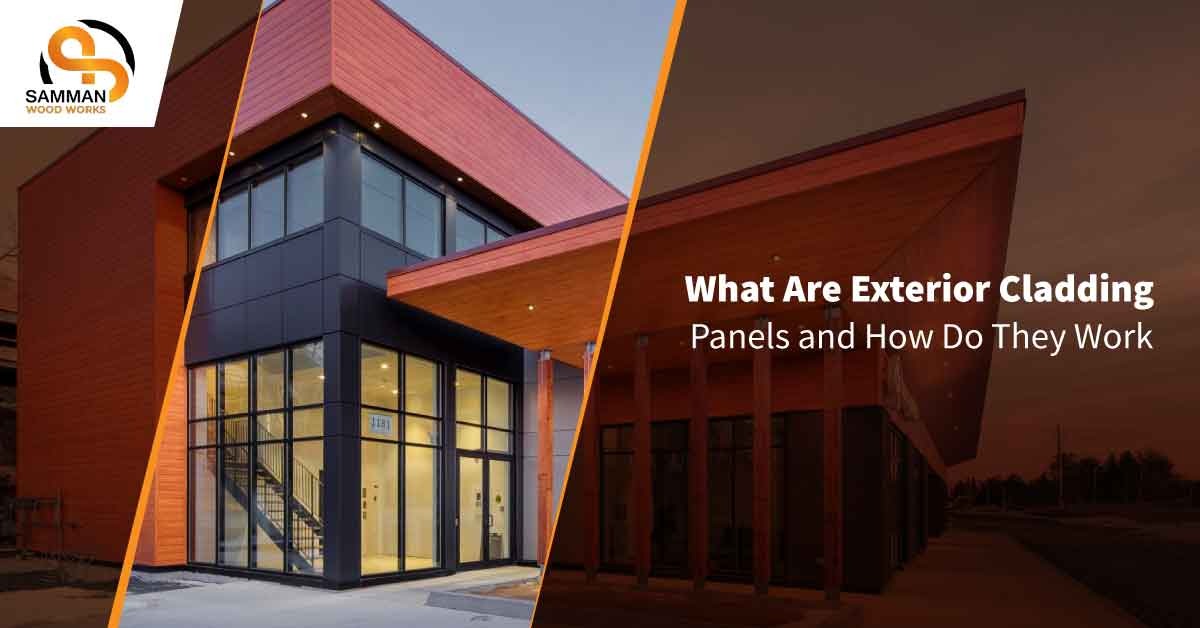
What Are Exterior Cladding Panels and How Do They Work?
Exterior cladding panels are the outer skin fixed to a building’s structure, shielding it from weather while shaping its final look. They sit on a subframe or fixing system, standing slightly away from the wall in most modern designs to manage moisture and airflow. Beyond protection, exterior cladding panels carry the architectural identity of a project, defining color, texture, and rhythm across the facade. On commercial buildings, cladding panels also contribute to thermal performance, cutting heat gain through the wall assembly in hot climates. Most modern systems separate the panel from a purely decorative role, treating it as part of the building’s weatherproofing strategy from day one. That shift is why architects and contractors now specify cladding panels early in design, not as a finishing touch added at the end.
What Are the Main Types of Exterior Cladding Panels?
Exterior cladding panels come in a wide range of materials, each offering different levels of durability, fire performance, maintenance, cost, and aesthetic flexibility. The most common options include ACP, HPL, fiber cement, timber, terracotta, and stone-look panels. For commercial projects in Saudi Arabia, the right material depends on the building’s design, exposure to heat and UV radiation, moisture conditions, fire requirements, and overall project budget.
Aluminum Composite Panels (ACP)
Aluminum composite panels consist of two thin aluminum sheets bonded to a central core. They provide a lightweight, flat, and modern facade finish, making them widely used for commercial buildings and contemporary architectural designs.
High Pressure Laminate (HPL) Panels
HPL panels are manufactured from layers of resin-treated kraft paper compressed under high pressure. They are known for their rich colors, textures, and impact resistance, making them suitable for projects where both appearance and durability are important.
Fiber Cement Panels
Fiber cement panels combine cement, sand, and cellulose fibers to create a durable facade material with strong resistance to moisture and weather exposure. Their fire performance depends on the specific product and tested wall assembly.
Wood and Timber Cladding
Solid wood and engineered timber cladding add natural warmth and texture to exterior facades. They are particularly popular in hospitality and mixed-use projects where architects want to soften the appearance of metal, glass, and concrete.
Terracotta and Stone-Look Panels
Terracotta panels provide a distinctive architectural finish with natural color variation, while stone-look panels create the appearance of traditional masonry with less weight and installation complexity. Both options can give commercial facades a more substantial and premium appearance.
Each material responds differently to heat, wind, moisture, UV exposure, and fire. For that reason, selecting the right exterior cladding panels should start with the project’s technical and environmental requirements before moving to color, texture, or decorative finish.
Explore more: hotel Furniture Suppliers in Saudi Arabia |Costs, Types & Selection
Which Exterior Cladding Panel Materials Are Best for Commercial Buildings?
For high-rise commercial towers, non-combustible or mineral-core exterior cladding panels are usually the only option local codes will approve.
Mid-rise commercial buildings often use FR-core aluminum panels, balancing fire performance with the lighter weight and lower cost of ACP.
Retail and hospitality facades frequently mix materials, pairing metal or HPL cladding panels with timber accents at entrances and podiums.
Budget still matters. Fiber cement panels give commercial projects a durable, code-friendly option without the premium cost of natural stone.
Corporate headquarters and institutional buildings often specify a single dominant material to keep the facade language consistent across the whole site.
Whichever material is chosen, procurement teams should confirm supply chain reliability early, since large commercial orders can take months to fabricate and deliver.
What Are the Benefits of Exterior Cladding Panels?
Exterior cladding panels protect the structural wall from sun, rain, and temperature swings, extending the building’s service life significantly.
They also improve thermal performance when installed as a ventilated system, reducing cooling loads in hot desert climates like Saudi Arabia.
Design flexibility is another strength. Exterior panels come in almost any color, texture, or finish an architect can specify.
Installation speed matters on large projects too, since prefabricated cladding panels go up faster than traditional masonry or stone cladding.
Acoustic performance improves as well, with the air cavity in ventilated systems helping to dampen street and wind noise in dense urban areas.
Long-term value is the real payoff. A well-specified cladding system reduces repainting and repair costs across the building’s lifespan compared with render finishes.
Explore exterior panels designed for durability, weather resistance, and modern architectural performance. Contact Al-Samman Wood Factory to discuss your project requirements.
Read more: Wooden Door Prices in Saudi Arabia: A Contractor’s Guide
What Are the Disadvantages of Exterior Cladding Panels?
Lower-grade exterior cladding panels with combustible cores carry real fire risk, a concern that has driven stricter codes across the Gulf.
The upfront cost can be higher than basic render or paint finishes, especially for rainscreen systems with subframes and cavity insulation.
Poor installation is a common failure point. Panels fixed without proper drainage or expansion joints can trap moisture behind the facade.
Maintenance still applies. Even durable exterior panels need periodic cleaning and joint inspection to protect long-term performance.
Repair and replacement can also be costly if a discontinued panel color or profile needs matching years after the original installation.
None of these downsides rule out cladding as a facade choice, but they do make supplier selection and installation quality just as important as material choice
Get a quote for your project now from the Al-Samman Woodworks Factory team.
Are Exterior Cladding Panels Suitable for Saudi Arabia’s Climate?
Yes, when specified correctly. Saudi Arabia’s heat, dust, and UV exposure demand cladding panels rated for prolonged sun and thermal cycling.
PVDF coatings on aluminum panels resist fading far longer than standard paint finishes under the Kingdom’s intense sunlight.
Ventilated rainscreen systems perform especially well here, since the air cavity behind exterior panels helps dissipate trapped heat.
Coastal cities like Jeddah add another factor, where humidity and salt air push specifiers toward corrosion-resistant panel and fixing materials.
Dust accumulation is a practical concern too, since flat, glossy panel finishes show grime faster than textured or matte alternatives in dry, windy regions.
Interior cities such as Riyadh face the opposite challenge, with wide day-to-night temperature swings placing extra stress on panel fixings and expansion joints.
Choose facade materials suited to Saudi Arabia’s heat, UV exposure, and environmental conditions. Contact Al-Samman Wood Factory to discuss suitable cladding solutions for your project.
Read more: Professional Wood Manufacturing Company in Saudi Arabia
What Exterior Cladding Panels Are Best for Saudi Commercial Projects?
FR-core or mineral-core aluminum composite panels are the safest default for most commercial towers under current Saudi fire regulations.
Fiber cement panels suit government and institutional projects where a Class A fire rating and low maintenance are non-negotiable requirements.
For hospitality and mixed-use developments, timber and wood-look exterior panels add warmth that pure metal facades often lack.
Whatever the material, SASO certification and documented fire test reports should accompany every exterior cladding panel specified for a Saudi project.
What Technical Specifications Should You Check Before Buying Exterior Cladding Panels?
Panel thickness matters first. Most cladding panels range from 3mm to 6mm, with thicker panels specified for taller, more exposed facades.
Check the core type and its documented fire classification, since this single spec determines code approval more than any other factor.
Coating type affects longevity. PVDF coatings outperform standard polyester paints on color retention and weather resistance over a 15- to 20-year span.
Wind load and structural test reports should match your building’s height and location, particularly for coastal or high-rise projects.
Panel flatness tolerance is worth checking too, since minor warping becomes highly visible once panels are installed under strong sunlight.
Finally, ask for a documented warranty period on both the coating and the core material, since these two components often fail on different timelines.
Speak with Al-Samman Wood Factory about exter panels, finishes, technical requirements, and architectural woodwork for your project.
Get a quote for your project now from the Al-Samman Woodworks Factory team.
What Fire Rating Should Exterior Cladding Panels Have?
Under the Saudi Building Code, cladding panels on commercial and high-rise buildings generally require non-combustible or A2-rated cores.
B1-rated panels, using a mineral-filled or flame-retardant core, are acceptable in some mid-rise applications but should always be confirmed against SBC 801.
Standard PE-core aluminum composite panels, common in budget projects, are increasingly restricted following well-documented facade fire incidents across the Gulf region.
Always request the test standard, report number, and testing lab before accepting a supplier’s fire rating claim for exterior cladding panels.
Insurance underwriters are also paying closer attention to facade materials now, and a documented fire rating can directly affect a building’s insurance terms.
Fire performance should never be treated as a negotiable line item to cut costs, given how directly it affects occupant safety.
What Is the Difference Between ACP, Aluminum, HPL and Fiber Cement Cladding?
ACP panels use two aluminum skins around a core, giving a lightweight, flat finish popular for signage and modern facades.
Solid aluminum cladding uses single sheets of metal, offering higher impact resistance and a cleaner, recyclable profile than composite alternatives.
HPL exteriorpanels are built from compressed paper and resin, delivering deep color and texture with strong impact resistance.
Fiber cement panels resist moisture, insects, and fire exceptionally well, though they weigh more and cost more to install than ACP.
Timber cladding sits apart from these industrial options, offering natural texture and warmth that manufactured materials still struggle to replicate convincingly.
Choosing between them usually comes down to three factors: fire code requirements, budget per square meter, and the aesthetic the design team wants to achieve.
What Is the Difference Between Rainscreen and Direct-Fix Cladding Systems?
Rainscreen systems hold exterior cladding panels away from the wall on a subframe, creating a ventilated cavity that drains moisture and heat.
Direct-fix systems attach panels straight to the substrate with adhesive or fasteners, relying on sealants alone to keep water out.
Rainscreen installations cost more upfront but perform better over time, since the cavity prevents moisture buildup behind the panel.
For most commercial exterior cladding panel projects in Saudi Arabia’s climate, the ventilated rainscreen approach is the safer long-term choice.
Direct-fix still has a place on smaller, sheltered projects where budget is tight and the wall is not exposed to heavy weather.
Mixing the two approaches on a single facade is possible but requires careful detailing at transitions to avoid moisture traps.
How Are Exterior Cladding Panels Installed?
Installation starts with a structural survey, confirming the wall can carry the subframe and panel loads under local wind conditions.
A subframe of aluminum or galvanized steel brackets is fixed to the structure, spaced to match the panel module and joint pattern.
Panels are then hung or clipped onto the subframe, with expansion gaps left at every joint to accommodate thermal movement.
A final inspection checks alignment, sealant application, and drainage paths before the cladding panels are signed off for handover.
Weather conditions during installation matter more than most contractors expect, since strong wind and heat can affect sealant curing and panel alignment.
A qualified installer will also document panel batch numbers and locations, which simplifies future repairs if a section ever needs replacement.
How Much Do Exterior Cladding Panels Cost in Saudi Arabia?
Costs vary by material and system, and every figure here should be treated as a market reference range, not a fixed quote.
Basic direct-fix ACP cladding often runs from SAR 180 to 350 per square meter for material and standard installation.
Ventilated rainscreen systems with FR or mineral-core panels typically range from SAR 400 to 900 per square meter, depending on complexity.
Premium timber or fiber cement exterior cladding panels can exceed SAR 1,000 per square meter once custom finishes are included.
These figures typically cover material and standard installation but exclude scaffolding, structural reinforcement, or complex facade geometry.
Getting multiple quotes on the same specification is the only reliable way to compare exterior cladding panel pricing across suppliers.
What Factors Affect Exterior Cladding Panel Pricing?
Core material drives most of the cost difference, with mineral and FR cores priced well above standard PE-core panels.
Panel thickness and finish complexity add cost too, since thicker gauges and custom colors require longer production runs.
Building height and facade complexity affect installation pricing, as taller structures need more scaffolding, access equipment, and labor time.
Order volume matters as well. Large, standardized orders of cladding panels usually secure better per-square-meter pricing than small custom runs.
Site access and building height also affect installation cost, since taller and harder-to-reach facades require more time-consuming access equipment.
Lead times can influence price too, with rush orders on custom colors or profiles often carrying a premium over standard production schedules.
How to Choose the Right Exterior Cladding Panels for Your Project?
Start with code compliance. Confirm the fire rating required for your building height and use before comparing materials or suppliers.
Match the material to the climate. Coastal, high-UV, and high-rise projects each favor different exterior cladding panel specifications.
Ask for real project references and test certificates, not just product brochures, before committing to a supplier or panel type.
Balance upfront cost against lifecycle performance. The cheapest exterior panels rarely stay the cheapest option once maintenance is factored in.
Involve the installer early too. A contractor familiar with the specific panel system often catches detailing issues an architect’s drawings might miss.
Finally, decide the maintenance plan before installation, not after, so cleaning and inspection schedules are built into the building’s operating budget from day one.
Get a quote for your project now from the Al-Samman Woodworks Factory team.
Why Choose Al-Samman Wood Factory for Exterior Architectural Woodwork?
Al-Samman Wood Factory has produced architectural wood cladding and joinery in Jeddah since 1973, now led by the founder’s second generation.
The factory holds ISO 9001:2015 certification and BM TRADA recognition, backing timber-based exterior panels with documented quality control.
For projects that pair metal or composite systems with wood accents, Al-Samman Wood Factory supplies the timber cladding, fixed joinery, and finishing detail.
Planning a facade that needs durable, code-aware cladding panels in timber? Talk to Al-Samman Wood Factory about your project today.
Ready to Choose the Right Exterior Cladding Panels?
Looking for durable, code-compliant exterior cladding panels for your Saudi project? Contact Al-Samman Wood Factory to discuss your facade requirements, materials, finishes, and architectural woodwork solutions with our experienced team.
Frequently Asked Questions
Are exterior cladding panels required to be fire rated in Saudi Arabia?
Yes, the Saudi Building Code sets fire performance requirements for exterior cladding panels based on building height and occupancy type.
What is the most cost-effective exterior cladding panel option?
Standard ACP cladding on a direct-fix system is typically the most affordable choice, though fire rating requirements may limit its use.
Can wood cladding be used on exterior facades in Saudi Arabia?
Yes, when properly treated and finished, timber cladding panels perform well, especially in ventilated rainscreen installations.
How long do exterior cladding panels last?
Quality panels with PVDF coatings and proper installation typically perform for 20 to 30 years with routine maintenance.
Do exterior cladding panels need SASO certification?
Reputable suppliers provide SASO-certified panels, and specifiers should always request certification documents before placing an order.
What is the difference between rainscreen and direct-fix cladding cost?
Rainscreen systems cost more upfront due to the subframe and cavity, but they generally outperform direct-fix systems over the building’s lifespan.